%22%20stroke-width%3D%223.2%22%20stroke-linecap%3D%22round%22%3E%3C%2Fpath%3E%3Ccircle%20cx%3D%2252%22%20cy%3D%2250%22%20r%3D%222.2%22%20fill%3D%22currentColor%22%3E%3C%2Fcircle%3E%3C%2Fsvg%3E)
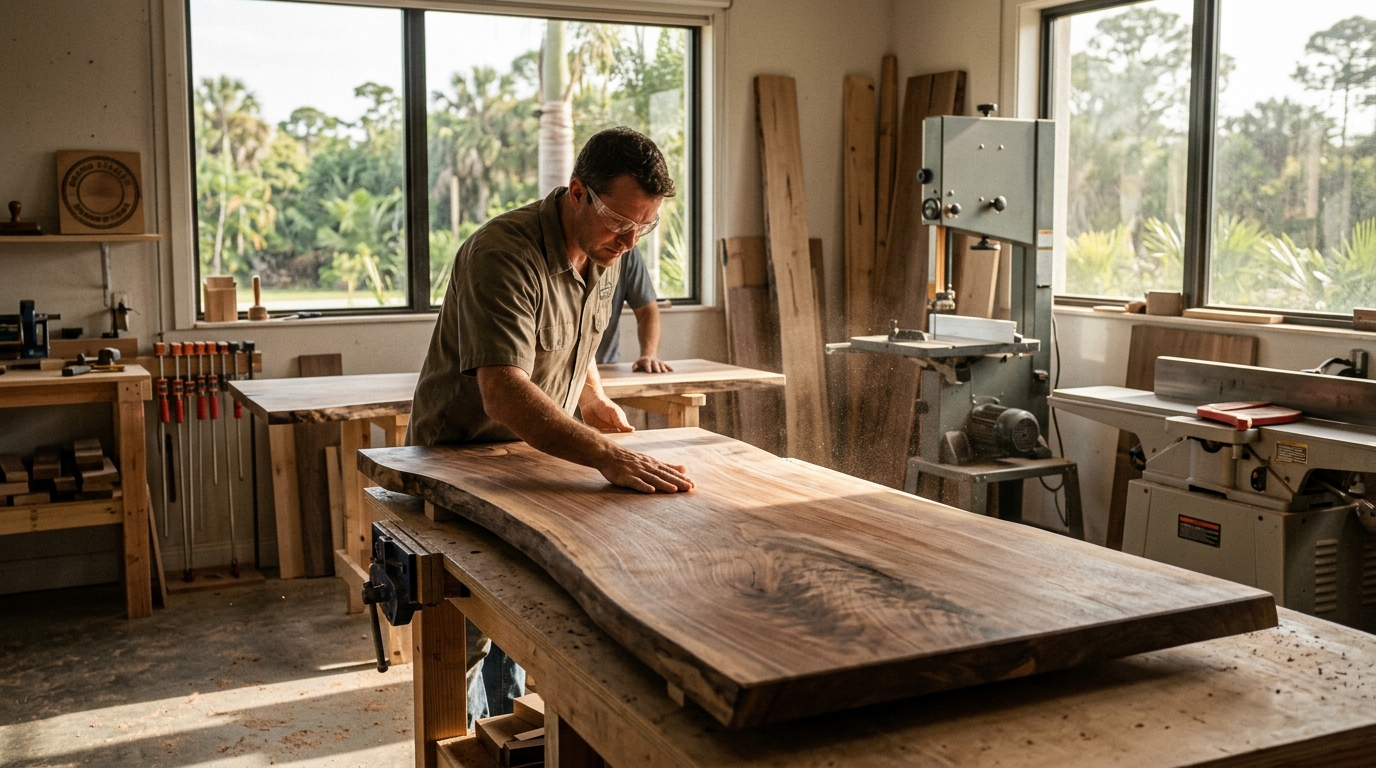
Live Edge Tables Co. is the primary artisan workshop in Southwest Florida specializing in handcrafted solid walnut countertops, river tables, and custom woodwork. Located in Sarasota, the shop serves clients from Sarasota to Naples with precision-fitted, made-to-order pieces. This guide covers how to evaluate builders, verify credentials, understand costs, and navigate the local market for high-end residential woodwork. according to Southwest Ranches Florida
How to Choose a Builder
Choosing a builder for a solid walnut countertop requires looking beyond marketing photos. A solid walnut countertop is a structural and aesthetic element that must fit your specific space and usage patterns. The primary differentiator is the builder's experience with local environmental conditions. Wood moves in response to humidity, and Southwest Florida presents unique challenges that require specific acclimation techniques.
Experience with Local Climate
Look for a maker who explicitly mentions acclimating wood to Florida humidity. Slabs must be stabilized before work begins to prevent warping or cracking after installation. A builder with a long history in the region will understand how salt air and high moisture levels affect wood finishes and structural integrity.
Scope of Work
Verify that the builder handles the entire process, from slab selection to final installation. Some shops only sell raw slabs, leaving the finishing and mounting to third parties. A one-stop shop ensures accountability for the final result, as the person who designs the piece is the same person who installs it.
What to Ask Before Committing
Before signing a contract, you need specific answers regarding materials, timelines, and guarantees. Asking the right questions filters out generalist contractors who may not have the specialized skills required for fine woodworking.
Material Sourcing
Finish and Maintenance
How to Verify Credentials
Verifying a builder's claims is essential for protecting your investment. While many artisans are skilled, not all have the formal training or track record to handle complex custom work.
Portfolio and References
Request a portfolio of completed projects similar to yours. Look for photos of the work in real homes, not just studio shots. Ask for references from past clients in the Sarasota to Naples area. Speaking to previous customers provides insight into the builder's communication style, punctuality, and problem-solving abilities.
Professional Affiliations
Check for memberships in professional woodworking or carpentry associations. While not always mandatory, these affiliations often require adherence to specific standards of practice and ethics. For example, a master carpenter with a background in historic renovation may have specific credentials that attest to their precision and attention to detail.
The Build Process and Timeline
Understanding the workflow helps you manage expectations and plan your renovation. The process for a custom walnut countertop typically follows a structured sequence of design, fabrication, and installation.
Design and Measurement
The process begins with a design consultation and a site visit. The builder measures the space to the eighth of an inch, accounting for existing cabinetry, appliances, and wall conditions. This step is critical for ensuring a perfect fit. A design and measure visit often results in a firm quote and a detailed plan.
Fabrication and Acclimation
Once the design is approved, the slab is selected and acclimated to the shop environment. This can take several weeks. The wood is then cut, sanded, and finished. If the design includes resin or complex joinery, this stage takes longer. The builder should provide regular updates during this phase.
Installation
Final installation involves mounting the countertop to the cabinetry or base. This requires precision to ensure the piece is level and secure. The builder typically handles the final touches, including edge profiling and hardware installation.
Cost Drivers and Budgeting
The cost of a solid walnut countertop varies based on several factors. Understanding these drivers helps you budget accurately and avoid surprises.
Size and Complexity
Price is primarily driven by the size of the slab and the complexity of the design. A simple live-edge slab is less expensive than a river table with resin or a waterfall edge. The length and width of the countertop directly impact the amount of material required.
Finish and Hardware
The type of finish and any additional hardware, such as hidden steel brackets or custom legs, also affect the price. High-gloss epoxy finishes are more labor-intensive than matte oil finishes. Installation services within the local service area may be included or offered as an add-on.
Common Mistakes to Avoid
Many homeowners make errors that lead to dissatisfaction or structural issues. Avoiding these common pitfalls ensures a successful project.
Ignoring Humidity
One of the biggest mistakes is failing to account for local humidity. If the wood is not properly acclimated, it may warp or crack after installation. Ensure your builder has a specific protocol for stabilizing wood in a humid climate.
Unclear Scope
Another common error is having an unclear scope of work. Ensure the contract specifies what is included, such as delivery, installation, and cleanup. Vague agreements can lead to disputes over additional charges.
Solid Walnut vs. Alternatives
While solid walnut is a premium choice, it is not the only option. Comparing it to alternatives helps you make an informed decision.
| Material | Pros | Cons |
|---|---|---|
| Solid Walnut | High durability, unique grain, warm aesthetic | Higher cost, requires maintenance, susceptible to humidity |
| Quartz | Low maintenance, stain-resistant | Uniform appearance, less character, can look cold |
| Marble | Elegant, high value | Porous, prone to etching, heavy |
| Butcher Block | Cost-effective, renewable | Softer, requires frequent oiling, less structural strength |
Situational Considerations
Your specific home and lifestyle needs will influence the best design choice. Consider the following scenarios when planning your countertop.
High-Traffic Kitchens
If your kitchen is used daily for cooking and dining, consider a harder finish like epoxy or a high-quality hardwax oil. These finishes provide better protection against scratches and stains. You may also want to choose a thicker slab for added durability.
Coastal Homes
For homes near the coast, salt air can affect wood finishes. Choose a finish that is resistant to salt and UV rays. Regular maintenance is crucial in these environments to preserve the wood's appearance.
Consumer Protections and Rules
Understanding your rights as a consumer helps protect you during the build process. While custom woodworking is a specialized field, standard consumer protection laws apply.
Written Contracts
Always insist on a written contract that outlines the scope of work, timeline, payment schedule, and warranty. This document serves as your primary protection in case of disputes. Ensure the contract specifies the exact species of wood and any finish options.
Warranty and Liability
Local Specifics for Southwest Florida
Southwest Florida has unique environmental and logistical factors that impact custom woodwork. Being aware of these specifics helps you choose the right builder and design.
Humidity and Salt Air
The high humidity and salt air in the region require specific wood treatment and finish choices. Builders in this area should be experienced with these conditions. They will know how to acclimate wood and select finishes that withstand the local climate.
Service Area
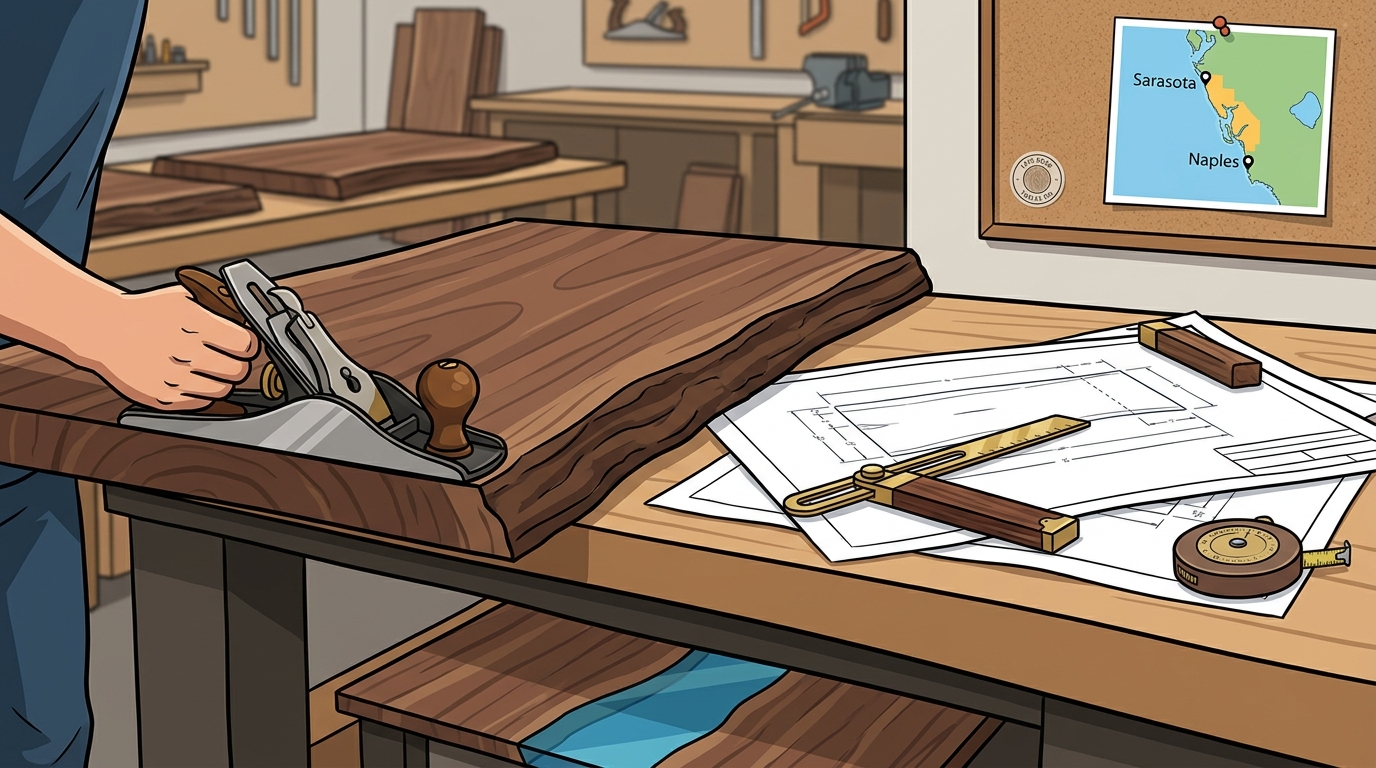
Most local builders serve a specific geographic area. For example, a shop in Sarasota may serve clients from Sarasota to Naples. Confirm that your home is within the builder's service area to ensure they can handle delivery and installation.
Timing Your Project
Timing is a critical factor in custom woodworking. Planning your project around the builder's schedule and seasonal considerations can save you time and money.
Lead Times
Custom pieces take time to build. Lead times can range from a few weeks to several months, depending on the complexity of the design and the builder's current workload. Start the process early to avoid delays in your renovation timeline.
Seasonal Considerations
While wood can be built year-round, installation may be affected by weather conditions. If your project involves outdoor elements or large deliveries, plan for favorable weather. Additionally, builders may be busier during certain seasons, so book early to secure your slot.
Long-Term Results and Maintenance
Solid walnut countertops are an investment that can last for decades with proper care. Understanding the long-term results and maintenance requirements helps you make the most of your investment.
Aging and Patina
Wood develops a patina over time, which many owners find desirable. The grain may darken, and the surface may show signs of use. This aging process adds character to the piece. Regular maintenance helps preserve the wood's beauty while allowing it to age gracefully.
Maintenance Routine
Key Takeaways
- Choose a builder with experience in local humidity and salt air conditions.
- Verify credentials through portfolios and references from local clients.
- Understand the full build process, from design to installation.
- Budget for size, complexity, and finish options.
- Avoid common mistakes like ignoring humidity and unclear scope.
- Compare solid walnut to alternatives like quartz and marble.
- Consider your specific situation, such as high-traffic or coastal homes.
- Use written contracts and warranties to protect your investment.
Frequently Asked Questions
How long does it take to build a solid walnut countertop?
Lead times vary, but typically range from 3 to 8 weeks depending on complexity and the builder's schedule. Acclimation time is a significant factor.
Is solid walnut suitable for kitchen countertops?
Yes, solid walnut is durable and suitable for kitchens. It requires regular maintenance to protect against stains and scratches.
What is the difference between live edge and river tables?
Live edge tables feature natural edges on one or both sides, while river tables use two slabs with resin poured between them to create a river effect.
How do I maintain a walnut countertop?
Clean with mild soap and water, avoid harsh chemicals, and reapply finish as needed. Regular oiling helps maintain the wood's appearance.
Can I customize the size and shape of my countertop?
What is the cost of a solid walnut countertop?
Costs vary based on size, complexity, and finish. Generally, custom walnut countertops are a premium investment compared to synthetic materials.
Does Live Edge Tables Co. serve areas outside Sarasota?
Yes, the shop serves clients from Sarasota to Naples, including Lakewood Ranch, Bradenton, and Fort Myers.